An in-depth exploration of joint flexibility, its mechanisms, and the factors that support optimal range of motion in the human body.

Joint flexibility refers to the range of motion available at a joint, as well as the ability of the joint structures to move smoothly and comfortably. Flexibility is not simply about stretching; it encompasses the coordinated function of bones, cartilage, ligaments, tendons, muscles, and the lubricating synovial fluid within the joint.
Understanding flexibility requires appreciating the complex interactions between these various tissue types. Each component plays a specific role in enabling smooth, controlled movement.
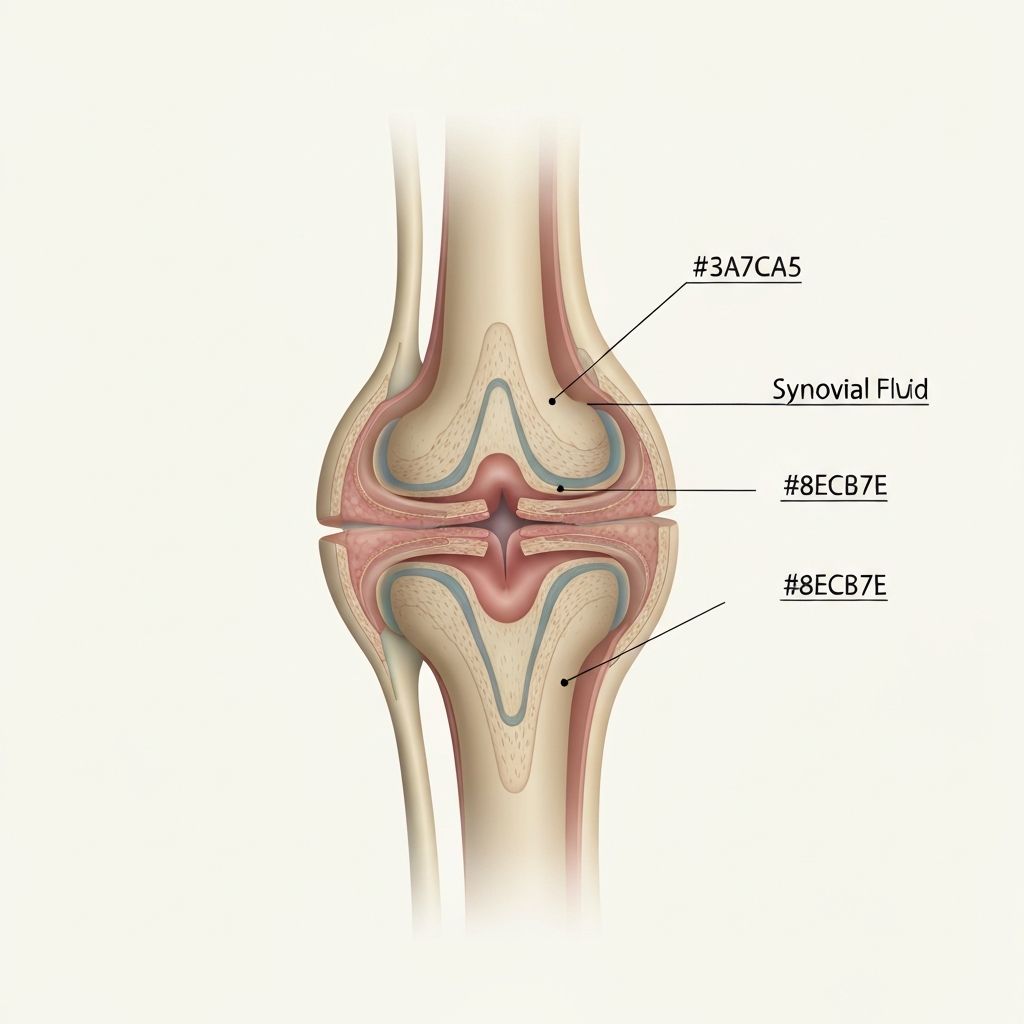
Joint flexibility operates through several coordinated mechanisms. Synovial fluid reduces friction between cartilage surfaces, allowing smooth gliding. Cartilage itself is a specialized tissue with unique properties that facilitate movement while providing load distribution. The surrounding muscles and ligaments provide both movement capability and joint stability.
These mechanisms work together in a coordinated manner. When joint structures are functioning optimally, movement is smooth, efficient, and pain-free. Understanding these mechanisms helps explain why various factors—from nutrition to activity levels—can influence joint health.

Multiple factors influence joint flexibility and the capacity for smooth movement:
Cartilage plays a central role in joint flexibility. This specialized connective tissue has unique properties: it is smooth, resilient, and can distribute loads across the joint surface. Cartilage is composed of collagen fibers and proteoglycans suspended in a water-rich matrix.
The composition of cartilage—particularly its collagen and proteoglycan content—directly affects its function. Maintaining the integrity of cartilage is therefore important for preserving joint flexibility. Various natural compounds found in foods have been studied for their potential role in supporting cartilage structure and function.

This article provides educational information about joint flexibility and its mechanisms. It is not medical advice, a diagnosis, or a treatment recommendation. Individual circumstances vary significantly.
For specific concerns about your joint health or mobility, consult with a qualified healthcare professional.
 Viquora