A Guide to Dietary Aids for Joint Health and Active Lifestyle
Educational content only. No promises of outcomes.
Understanding Joint Mobility
How Your Joints Work
Joints are intricate structures composed of bones, cartilage, ligaments, tendons, and synovial fluid. They allow movement, flexibility, and support for the human body. Understanding the basic anatomy helps appreciate how various nutrients and lifestyle factors contribute to maintaining overall joint function.
Cartilage serves as a protective cushion between bones, while ligaments provide stability and tendons connect muscle to bone. Synovial fluid acts as a lubricant, enabling smooth movement. Each component plays a vital role in maintaining mobility and comfort during daily activities.
Various factors influence joint health, including nutrition, physical activity, hydration, and overall lifestyle choices. A holistic approach to wellness considers all these elements working together to support an active and flexible body.

Key Natural Compounds for Support
Various botanical extracts and natural ingredients have been traditionally used and studied for their properties related to joint health and general wellness.
Botanical Extracts and Their Properties
Turmeric (Curcumin) is a golden spice traditionally used in wellness practices. Curcumin, its active compound, is studied for its potential to support normal inflammatory responses in the body.
Ginger has a long history in traditional wellness approaches and may contribute to general well-being and comfort during movement.
Boswellia, an herbal extract, has been traditionally valued for supporting joint comfort and flexibility in various cultures.
Turmeric Complex typically combines curcumin with complementary botanicals to create a synergistic approach to wellness support.
These compounds are often combined in dietary supplements to create comprehensive support for overall joint health and active lifestyle maintenance.

The Role of Collagen in Connective Tissues
Collagen is the most abundant protein in the human body and serves as a fundamental building block for connective tissues, including skin, tendons, ligaments, and cartilage. Understanding collagen's role helps explain why it features prominently in joint health discussions.
There are multiple types of collagen, each serving different functions throughout the body. Type II collagen specifically supports cartilage structure and resilience. As we age, natural collagen production may decrease, which is why supplementation is explored as a way to support ongoing connective tissue health.
Collagen is composed of amino acids, particularly glycine, proline, and hydroxyproline. These amino acids are essential for maintaining the structural integrity of connective tissues. Dietary sources of collagen include bone broth, skin, and joints from animals, while supplemental forms are often derived from animal sources and processed to improve absorption.
Glucosamine and Chondroitin: Foundational Elements
Building Blocks for Cartilage
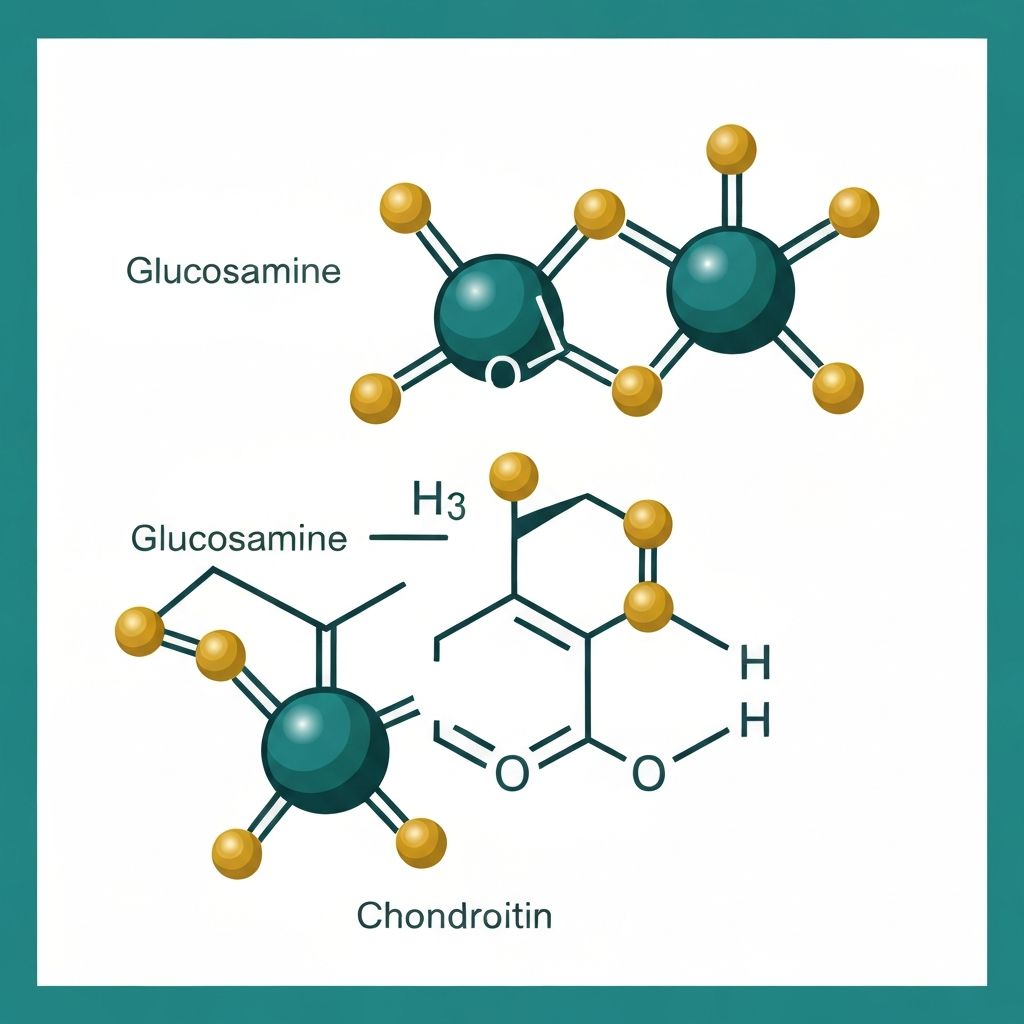
Glucosamine and chondroitin are naturally occurring compounds found in connective tissues. Glucosamine is an amino sugar that serves as a precursor for glycosaminoglycans and proteoglycans, key components of cartilage matrix.
Chondroitin sulfate is a glycosaminoglycan that provides cartilage with its ability to resist compression and maintain hydration. Together, these compounds are foundational elements in cartilage structure and function.
Both glucosamine and chondroitin are commonly combined in dietary supplements marketed for joint support. They are often derived from shellfish shells (for glucosamine) and animal cartilage (for chondroitin), though vegetarian sources also exist.
These compounds are considered building blocks because they provide the raw materials the body may use to maintain and repair cartilage tissue. The logic behind supplementation is to provide additional quantities of these natural compounds to support the body's ongoing maintenance processes.
Omega-3 Fatty Acids and General Wellness
Omega-3 fatty acids are essential polyunsaturated fats crucial for various bodily functions, including cardiovascular health, brain function, and general inflammatory balance. They consist primarily of alpha-linolenic acid (ALA), eicosapentaenoic acid (EPA), and docosahexaenoic acid (DHA).
While often discussed in the context of general health, omega-3s are also studied for their potential to support musculoskeletal wellness. EPA and DHA, derived primarily from marine sources, have been the subject of numerous research studies examining their role in maintaining normal inflammatory responses throughout the body.
Sources of omega-3 fatty acids include fatty fish (salmon, mackerel, sardines), flaxseeds, chia seeds, walnuts, and supplemental fish oil or algae-based products. A balanced intake of omega-3s as part of a comprehensive nutrition strategy supports overall wellness and active lifestyle maintenance.
Lifestyle Factors for Active Joints
Nutrition, Hydration, and Movement
Nutrition forms the foundation for joint health. A diet rich in whole foods, vegetables, fruits, lean proteins, and healthy fats provides the nutrients necessary for maintaining tissue integrity and supporting overall wellness.
Hydration is equally important. Water facilitates nutrient transport, helps maintain synovial fluid viscosity, and supports overall cellular function. Adequate daily hydration is a simple yet powerful aspect of joint care.
Moderate Exercise strengthens supporting musculature, improves flexibility, and maintains joint function. Activities like walking, swimming, yoga, and strength training each contribute to overall joint health and mobility without excessive strain.
Rest and Recovery are crucial components of an active lifestyle. Allowing adequate recovery time between exercise sessions prevents overuse and supports long-term joint health.
A holistic approach integrating proper nutrition, hydration, movement, and rest creates an optimal environment for maintaining joint function and supporting an active lifestyle throughout life.

Antioxidants and Cellular Health
Antioxidants are compounds that help neutralize free radicals, unstable molecules that can damage cells through oxidative stress. This process of oxidation affects all tissues, including those that comprise and support the joints.
Various natural sources provide antioxidants, including colorful vegetables and fruits. Berries, leafy greens, nuts, seeds, and spices like turmeric all contain high levels of antioxidant compounds. These include vitamins C and E, polyphenols, and flavonoids, each playing distinct roles in cellular protection.
By maintaining adequate intake of antioxidant-rich foods, individuals support their body's natural defense mechanisms against oxidative damage. This cellular-level support contributes to overall tissue health, including the connective tissues that comprise the joints. A diverse, colorful diet ensures a broad spectrum of protective compounds.
Minerals Essential for Bone Strength

Calcium, Magnesium, and Zinc
Calcium is the primary mineral component of bone structure, providing the hardness and rigidity necessary for skeletal support. Adequate calcium intake is essential throughout life for building and maintaining bone density.
Magnesium works alongside calcium to support bone mineralization and muscle function. It's involved in over 300 enzymatic reactions in the body and plays a crucial role in overall metabolic health.
Zinc supports collagen synthesis and bone formation. It's also involved in immune function and wound healing, making it important for tissue repair and maintenance processes.
Dietary sources of these minerals are abundant: calcium is found in dairy products, leafy greens, and fortified foods; magnesium in nuts, seeds, and whole grains; and zinc in lean meats, shellfish, legumes, and seeds.
A comprehensive approach to bone and joint health includes ensuring adequate intake of these essential minerals through varied, nutrient-dense foods or targeted supplementation when dietary intake is insufficient.
Exploring Botanical Synergies
Modern supplement formulations often combine multiple natural ingredients based on the concept of synergy—where combined compounds work together more effectively than individually. This approach draws from traditional wellness practices and modern nutritional science.
For example, combining turmeric with black pepper (which contains piperine) may enhance absorption of curcumin. Adding ginger to glucosamine and chondroitin creates a multi-faceted approach to joint support. These combinations are developed based on research findings and traditional knowledge about how different compounds interact.
A holistic approach recognizes that joint health is multifactorial. Supporting normal inflammatory response, maintaining collagen structure, ensuring adequate hydration and nutrition, and supporting overall cellular health through antioxidants creates a comprehensive framework. This is why supplement formulations often feature botanical blends designed to address multiple aspects of joint wellness simultaneously.
Common Questions About Joint Health
Educational Resources
Expand Your Knowledge
This guide provides foundational information about natural compounds, nutrition, and lifestyle factors that support joint health and active living. To deepen your understanding, we encourage you to explore additional resources and scientific literature on these topics.
Learn more about the specific ingredients discussed in this guide by exploring our comprehensive catalog of educational information about natural supplements. Each product page contains detailed descriptions of ingredients and their traditional uses and studied properties.
For personalized guidance on incorporating joint health strategies into your lifestyle, consulting with qualified healthcare professionals, nutritionists, or wellness experts is recommended. They can provide individualized recommendations based on your specific health status and goals.
Learn More
Educational Disclaimer
All information provided on this website is for educational purposes only and should not be considered medical advice, diagnosis, treatment, or a substitute for professional healthcare consultation. Individual results and experiences vary greatly based on personal health status, lifestyle, and numerous other factors. No guarantees are made regarding specific outcomes or efficacy. Always consult with qualified healthcare professionals before making any health-related decisions or starting new supplements or wellness regimens.